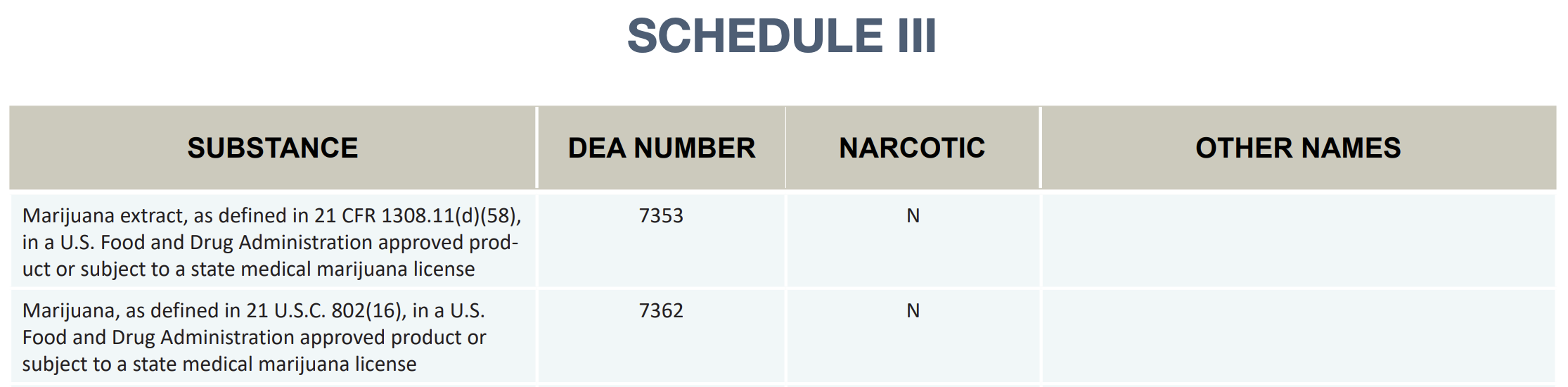
The Drug Enforcement Administration has explicitly confirmed in its updated 2026 edition of the 'Drugs of Abuse' publication that there are no known instances of fatal cannabis overdoses. This federal acknowledgment, embedded within official agency literature, marks a notable moment for mainstream public health documentation regarding the plant's toxicity profile. While the publication outlines various physiological and psychological effects associated with consumption, the absence of lethal toxicity remains a central pillar of the updated federal stance.
For industry stakeholders, this official documentation provides validated talking points that contrast sharply with older, prohibition-era rhetoric historically used to restrict market growth. Dispensary operators and brand marketers frequently navigate consumer education challenges regarding product safety, potency, and dosage. Having federal literature explicitly state the lack of fatal overdose potential offers a neutral, authoritative reference point for public-facing communications and budtender training programs.
Regulatory compliance frameworks continue to mandate strict potency labeling, child-resistant packaging, and responsible consumption messaging across legal state markets. Yet, the official recognition from the DEA supports ongoing normalization efforts within the broader commercial sector. Retailers can utilize these verified federal findings to reinforce consumer confidence, particularly when addressing newer adult-use customers or medical patients exploring high-potency concentrates and edibles.
As federal agencies update their informational resources, the commercial cannabis sector gains additional factual backing for advocacy, risk reduction initiatives, and professional stakeholder engagement.