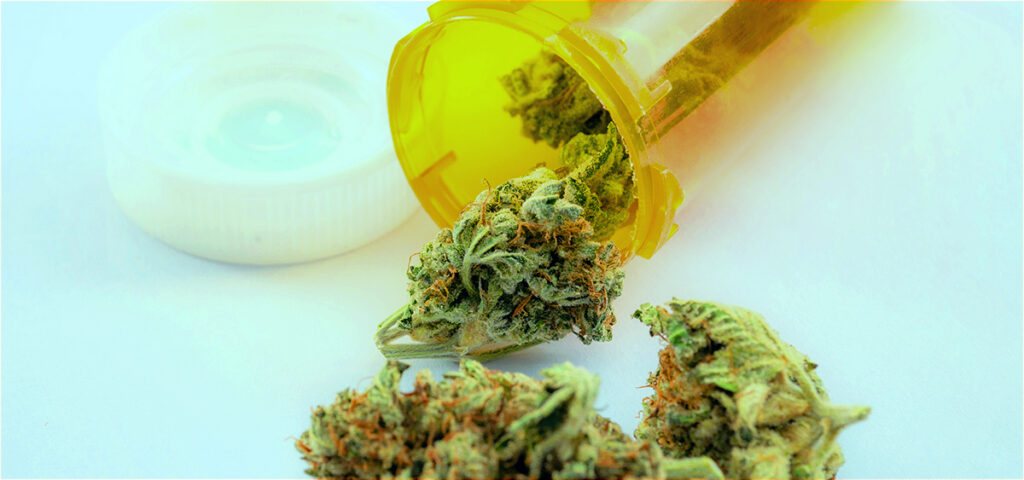
A recent study published by the Minnesota Office of Cannabis Management highlights the therapeutic efficacy of medical cannabis for autism patients, specifically regarding anxiety and depression symptoms. Analyzing data from 1,811 adult and pediatric patients collected between August 2018 and subsequent periods, researchers observed significant reductions in both the presence and severity of these comorbid conditions following enrollment in the state medical cannabis registry. For dispensary operators and product developers, this research provides empirical validation that can be leveraged when consulting with patients or marketing specialized formulations.
Clinical outcomes of this nature continue to legitimize medical cannabis within mainstream healthcare conversations, potentially driving patient acquisition across state-regulated markets. As public health data increasingly supports specific psychiatric applications for cannabinoids—such as anxiety relief in neurodivergent populations—retail staff must remain educated on cannabinoid profiles that target these symptoms. Dispensaries should consider integrating this data into staff training modules to better serve patients seeking alternatives to traditional pharmaceuticals.
Furthermore, brands formulating products targeted at symptom management can utilize these findings in professional marketing collateral targeted at recommending physicians and healthcare practitioners. The growing body of real-world evidence reinforces the medical necessity argument for cannabis access, serving as a powerful tool for retail operators advocating for program expansion and patient protections within legislative bodies.