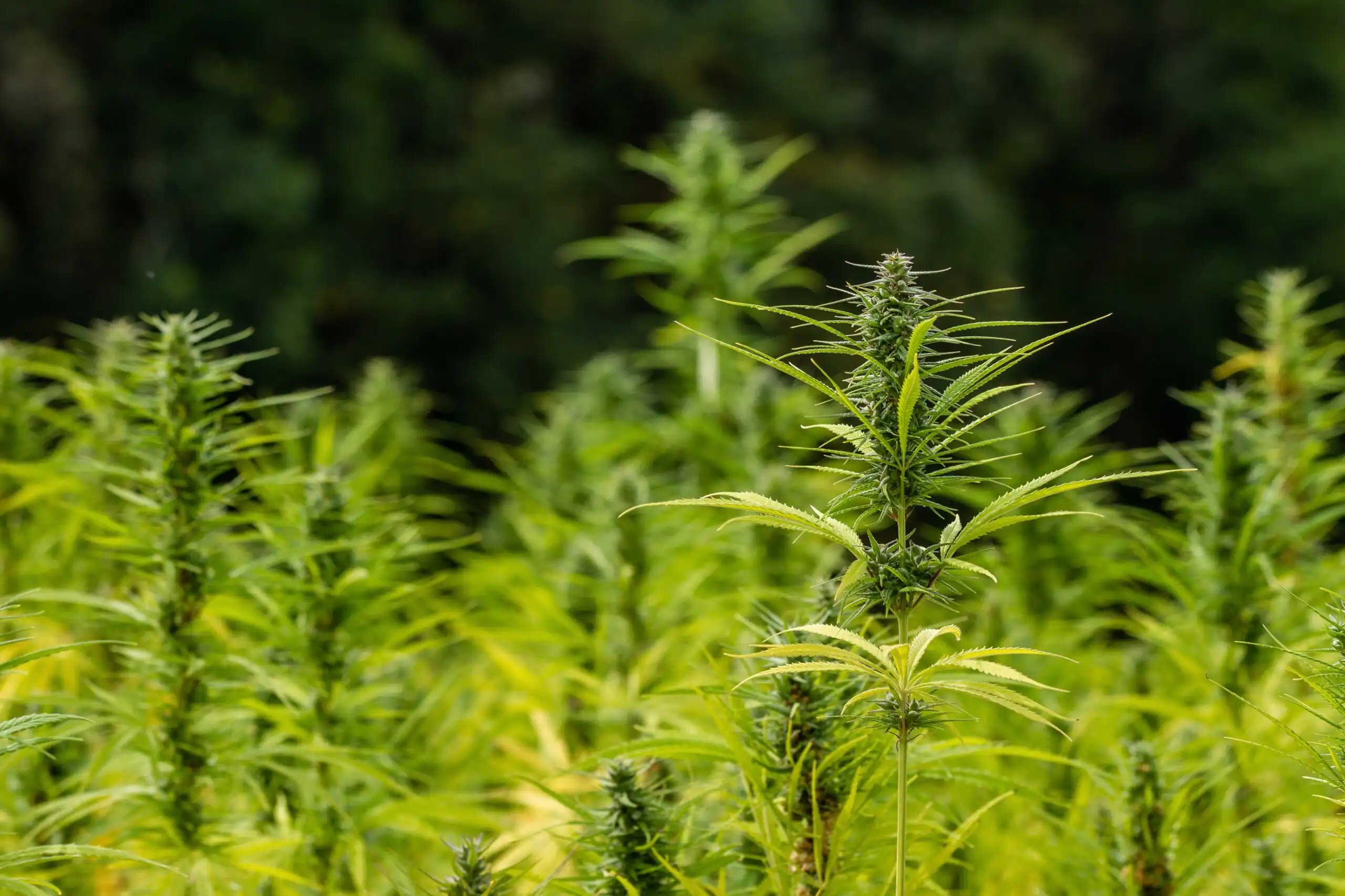
Rhode Island agricultural and regulatory authorities are currently navigating a complex policy vacuum surrounding hemp cultivation and derivative products. State officials acknowledge they are largely holding off on issuing definitive guidance to licensed operators until federal regulators clarify their enforcement stance on intoxicating hemp-derived cannabinoids. On a small Hopkinton farm, producers are nearing harvest while facing persistent uncertainty about the legal viability of their smokable flower and concentrate pipelines.
This regulatory hesitation mirrors broader national friction. As Congress weighs potential federal bans or stricter definitions targeting hemp-derived THC items through upcoming agricultural legislation, state-level agencies find themselves caught between supporting local agricultural economies and enforcing consumer safety standards. Dispensary owners, processors, and smoke shop buyers operating in grey-market product spaces face mounting operational risk.
Without clear state directives tied to federal timelines, compliance strategies remain reactive rather than proactive. Industry stakeholders are watching Washington closely for legislative updates that could instantly wipe out major revenue streams for intoxicating hemp goods—or conversely, carve out structured pathways for regulated distribution. Until then, business planning requires strict contingency measures, particularly regarding inventory exposure and supplier vetting.