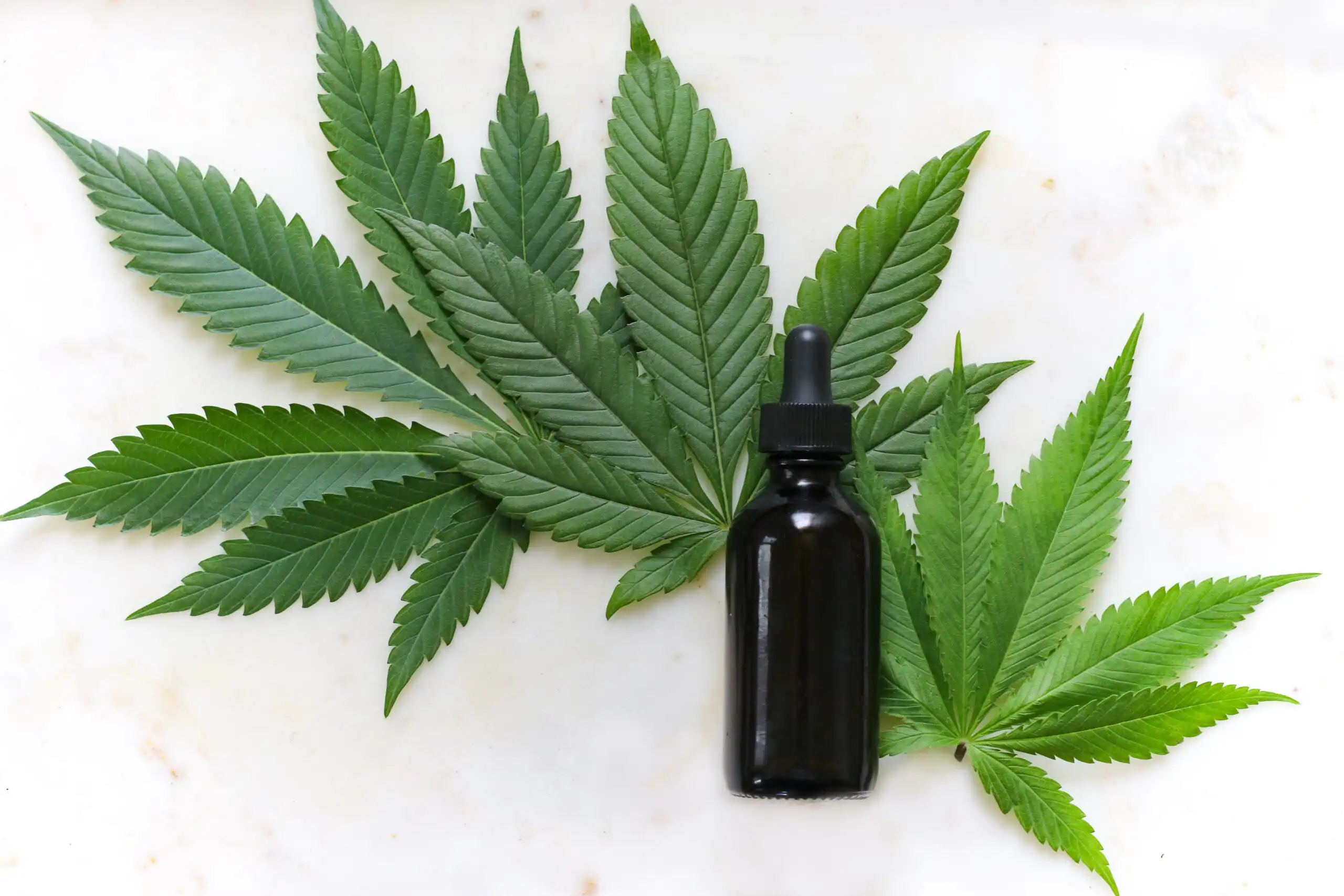
A coalition of anti-marijuana advocacy groups and a cannabis-focused biopharmaceutical firm have filed a new legal brief urging a federal court to block an initiative that would cover up to $500 in annual hemp-derived product purchases for eligible Medicare patients. The policy, initially introduced during the Trump administration, aims to subsidize hemp-derived CBD for seniors. Although a federal judge previously dismissed the lawsuit brought by these opponents in May, the plaintiffs are pressing forward with their legal challenge.
For the broader cannabis and hemp market, the outcome of this litigation carries significant implications regarding federal recognition and subsidization of cannabinoid therapies. If the program survives the legal challenge, it could open a massive institutional consumer base for hemp-derived products, shifting market dynamics significantly for retail operators and product manufacturers alike. However, ongoing friction between traditional pharmaceutical interests, prohibitionist organizations, and cannabinoid advocates highlights the persistent regulatory uncertainty surrounding hemp-derived goods in the federal healthcare system.
Industry stakeholders must monitor these legal developments closely, as federal insurance integration would redefine compliance standards, product standardization expectations, and mainstream retail distribution channels for hemp and CBD products.