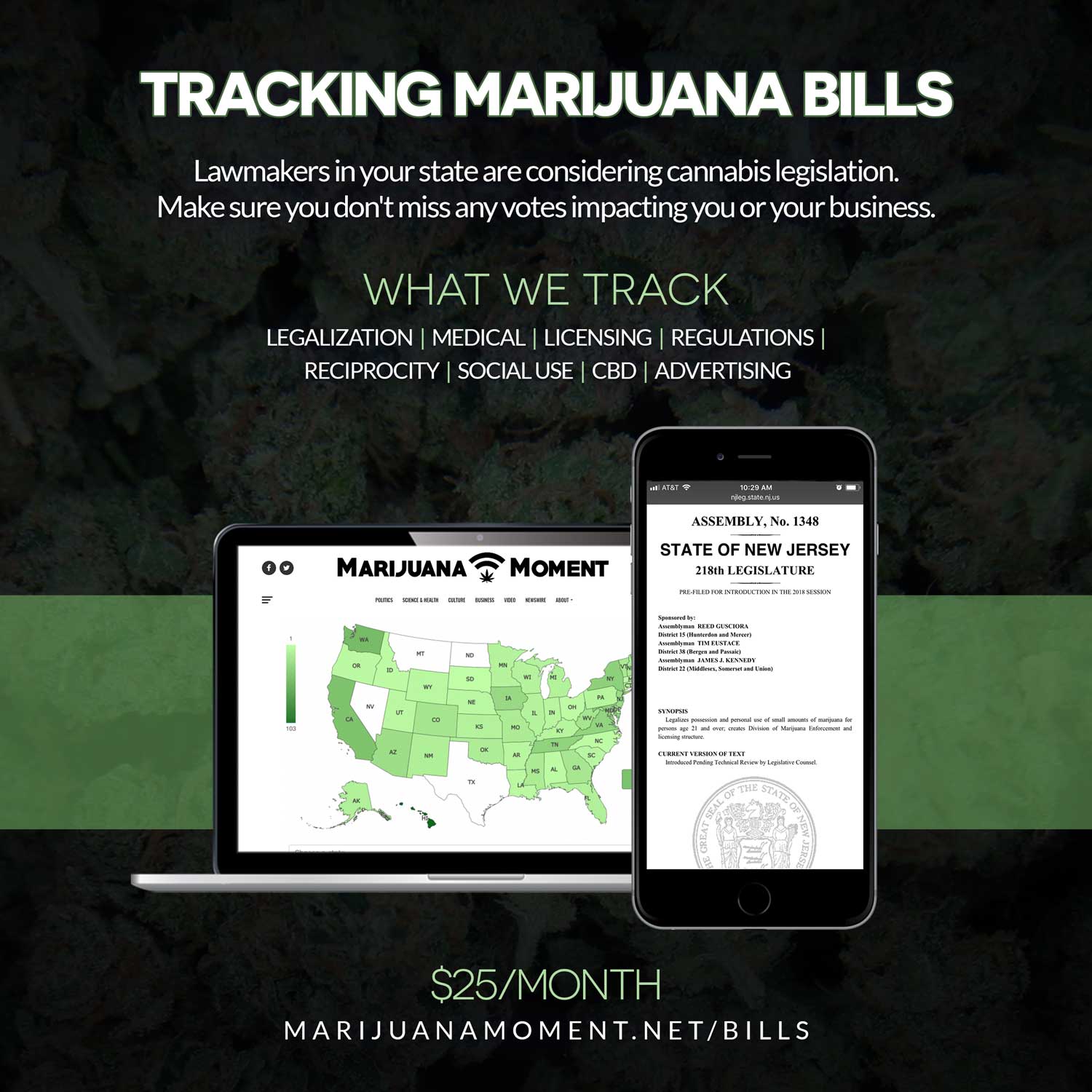
Recent federal legislative developments indicate potential shifts in cannabis employment protections as a new bill moves through Congress. Industry stakeholders are monitoring these federal maneuvers closely, as labor policies directly affect operational compliance and workforce management for plant-touching businesses and ancillary brands. At the state level, gubernatorial race dynamics continue to influence commercial market expansion, highlighting the fragmented nature of the American regulatory framework.
Meanwhile, recent clinical data affirming the efficacy of medical cannabis for lower back pain provides fresh talking points for dispensary operators and brand educators aiming to capture wellness-focused consumer segments. Additionally, state-level resistance to federal scheduling shifts is gradually softening—Alabama recently withdrew its formal objection to marijuana rescheduling. For retail buyers and brand managers, these policy adjustments signal a slow but steady evolution in federal posture that could eventually ease banking restrictions and interstate commerce barriers.
Navigating this transition requires staying informed on shifting state alliances and federal employment standards—ensuring human resources protocols remain compliant while preparing for broader market normalization.